
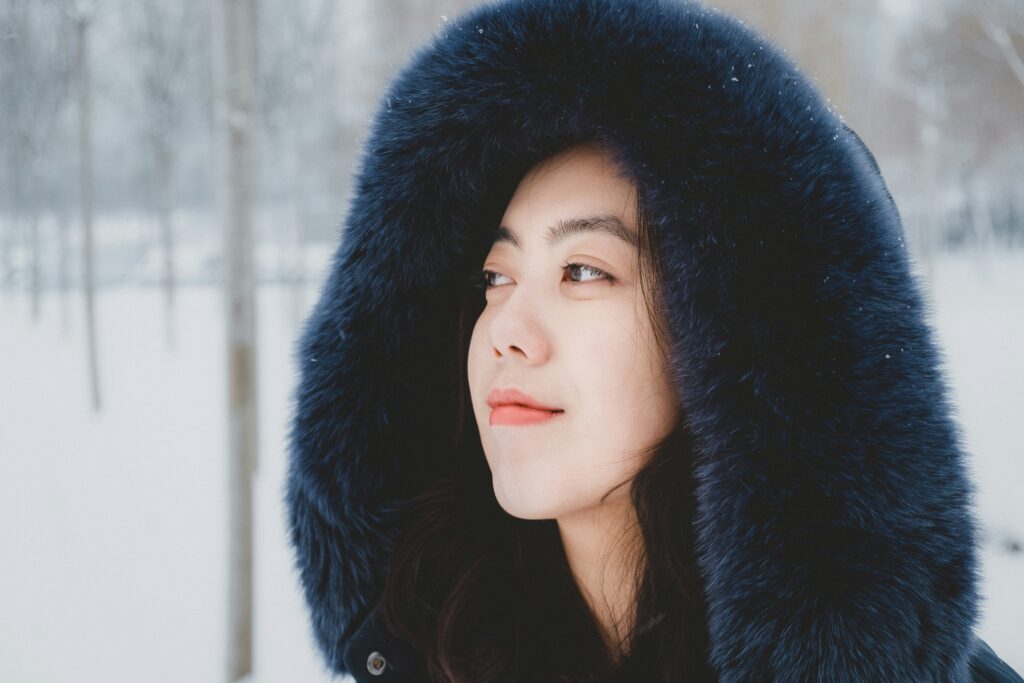
Korean Winter Skincare: Cold Weather Beauty Tips

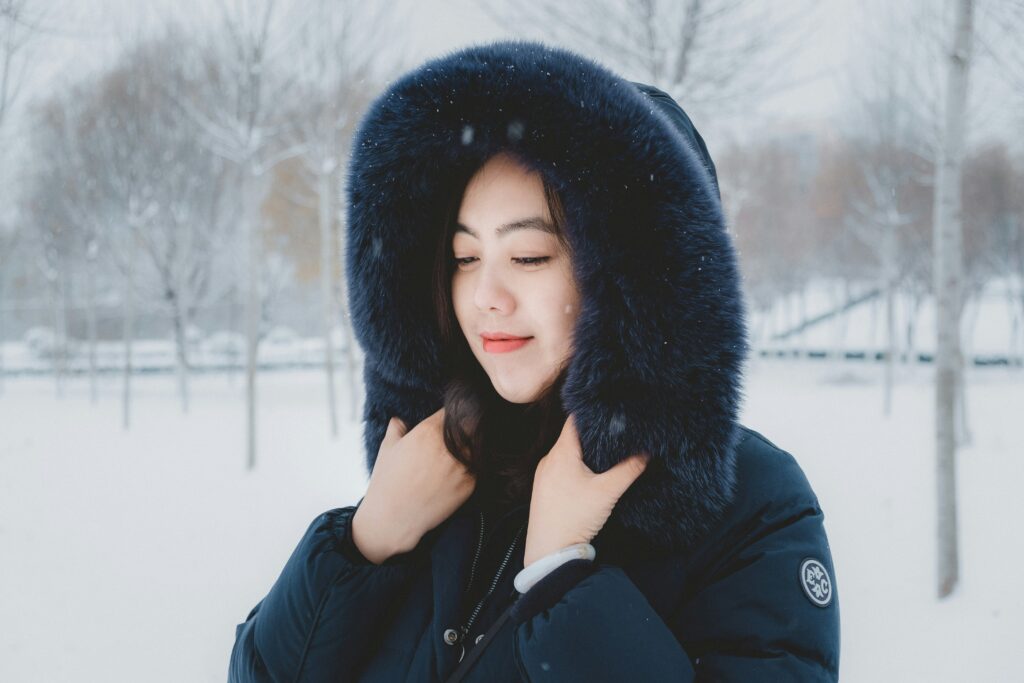
As the crisp winter winds sweep through Seoul’s streets and frost patterns dance across windows, Koreans know that the changing season means it’s time to transform their skincare routines. While foreigners might be captivated by Korea’s snowy landscapes and cozy cafés, locals understand that surviving Korean winter requires more than just a warm coat—it demands a complete skincare strategy.
Korean winters are notoriously harsh, with biting winds and indoor heating systems that can leave your skin feeling like the dried persimmons hanging outside traditional homes. But fear not! Korea has perfected the art of winter skincare over generations, combining traditional wisdom with cutting-edge beauty technology to keep skin glowing even in the coldest months.

Understanding Korean Winter Skin Challenges
Before diving into solutions, it’s essential to understand what makes Korean winters particularly challenging for your skin. The concept of **건조함** (geonjoham) – dryness – becomes every Korean’s most frequently used beauty vocabulary during winter months.
Korean winters bring a unique combination of environmental stressors. The outdoor temperature can plummet to -15°C or lower, while indoor spaces are heated to a toasty 25°C. This dramatic temperature difference, called **온도차** (ondocha) – temperature difference, causes your skin to constantly adjust, leading to sensitivity, redness, and dehydration.
Additionally, Korea’s winter air lacks humidity, with levels often dropping below 30%. This creates what Koreans call **각질** (gakjil) – dead skin cells or flakiness – which can make your complexion appear dull and rough. Understanding these challenges is the first step in developing an effective winter skincare routine that keeps your **피부** (pibu) – skin – healthy and radiant.
Korean beauty experts emphasize that winter skincare isn’t just about adding products; it’s about creating a complete system that protects, nourishes, and repairs your skin barrier throughout the harsh season.
The Essential Winter Skincare Routine: 겨울 스킨케어

Korean winter skincare follows the principle of **층층이 바르기** (cheungcheungi bareugi) – layering application. Here’s how to adapt the famous 10-step routine for winter conditions:
Step 1: Gentle Cleansing with Oil-Based Products
Switch from foaming cleansers to **오일 클렌저** (oil keulenjeo) – oil cleansers. Korean beauty wisdom teaches that winter cleansing should never strip your skin. Use lukewarm water, called **미지근한 물** (mijigeunhan mul), rather than hot water, which can damage your skin barrier.
Step 2: Hydrating Toner or Essence
This is where the **7 스킨 메소드** (7 skin method) shines in winter. Apply your hydrating **토너** (toneo) – toner – seven times in thin layers, patting each layer until absorbed. This technique, popularized by Korean beauty influencers, helps build moisture levels gradually without overwhelming your skin.
Step 3: Serums and Ampoules
Winter is the perfect time for **앰플** (aempeul) – ampoules – containing hyaluronic acid and ceramides. Look for products labeled **수분** (sumun) – moisture – or **보습** (seup) – hydration. These concentrated treatments address specific concerns while providing intense nourishment.
Step 4: Moisturizer and Sleeping Masks
Your **크림** (keurim) – cream – should be richer in winter. Many Koreans use **수면팩** (sumyeonpaek) – sleeping masks – nightly during cold months. These overnight treatments create a protective barrier that locks in all previous layers while you sleep.
Step 5: Never Skip Sun Protection
Even in winter, **자외선 차단제** (jayeoseon chadanje) – sunscreen – remains crucial. Korea’s winter sun may feel weak, but UV rays still damage skin, especially when reflected off snow.
Traditional Korean Winter Beauty Secrets

Korean grandmothers have passed down winter skincare wisdom for generations, many of which are now validated by modern science. These traditional practices, called **할머니의 비법** (halmeonieui bibeop) – grandmother’s secrets – offer natural solutions for winter skin woes.
Rice Water Treatments
**쌀뜨물** (ssalttumul) – rice water – has been used for centuries to brighten and soften skin. After washing rice for cooking, save the cloudy water and use it as a gentle face wash or toner. The vitamins and minerals in rice water help repair damaged skin barriers, particularly important during harsh winters.
Honey and Hanbang Ingredients
**꿀** (kkul) – honey – is a staple in Korean winter skincare. Mixed with **한방** (hanbang) – traditional Korean medicinal herbs – like ginseng (**인삼**, insam) or red bean (**팥**, pat), it creates powerful masks that nourish and protect. Many Korean households prepare these masks at home during winter months.
Steaming and Saunas
The practice of **찜질방** (jjimjilbang) – Korean spa – visits increases during winter. The combination of heat and steam helps open pores and increase circulation. Many Koreans visit weekly during winter, followed by intensive moisturizing routines to maximize the benefits.
Dietary Support
Koreans understand that beautiful skin starts from within. Winter meals emphasize **콜라겐** (kollageun) – collagen-rich foods like **삼계탕** (samgyetang) – ginseng chicken soup – and **족발** (jokbal) – pig’s trotters. These traditional dishes provide the nutrients needed to maintain skin elasticity in cold weather.
Korean Winter Skincare Products You Need to Know
Korean beauty stores transform during winter, featuring specialized products designed for cold weather conditions. Understanding these product categories will help you navigate Korean beauty shops like a local.
Barrier Repair Creams
Look for products containing **세라마이드** (seramaideu) – ceramides. These lipid molecules are essential for maintaining your skin’s protective barrier. Popular Korean brands release special **장벽 크림** (jangbyeok keurim) – barrier creams – specifically formulated for winter.
Sheet Masks for Intensive Care
**마스크팩** (maseukeupaek) – sheet masks – are used more frequently in winter. Koreans often use them daily during particularly dry periods. Look for masks labeled **촉촉** (chokchok) – dewy or moist – which indicates intensive hydration properties.
Facial Oils and Balms
**오일** (oil) and **밤** (bam) – balm – products gain popularity in winter. These products, often containing ingredients like **동백오일** (dongbaek oil) – camellia oil – or **아르간오일** (areugan oil) – argan oil – provide the extra protection needed against harsh winds.
Humidifier Must-Haves
Nearly every Korean household runs a **가습기** (gasieugi) – humidifier – during winter. Many beauty brands even sell facial mist products designed to provide instant hydration throughout the day. Keep a **미스트** (miseuteu) – mist – in your bag for quick refreshment.
Daily Winter Skincare Habits for Healthy Skin

Beyond products, Korean winter skincare success depends on consistent daily habits that protect and nourish your skin. These practices are so ingrained in Korean culture that they’re considered common sense rather than special routines.
Morning Routine Adjustments
Start your day with the **3초 법칙** (3cho beopchik) – 3-second rule. Apply your moisturizer within three seconds of washing your face while skin is still slightly damp. This locks in moisture more effectively than waiting until skin is completely dry.
Office and Indoor Care
Korean office workers keep **핸드크림** (haendeukeurim) – hand cream – and facial mist at their desks. Apply hand cream every time you wash your hands, and spritz your face every few hours in heated indoor environments. This practice is so common that it’s considered professional rather than vain.
Evening Deep Care
The evening routine becomes more intensive in winter. Many Koreans practice **더블 마스킹** (deobeul maseuking) – double masking – using a hydrating sheet mask followed by a sleeping pack. This ensures maximum moisture retention overnight.
Lip and Hand Special Care
Don’t forget your **입술** (ipsul) – lips – and hands. Korean beauty culture emphasizes total care, not just facial skin. Apply **립밤** (ripbam) – lip balm – multiple times daily and wear **장갑** (janggap) – gloves – whenever going outside.
Weekly Intensive Treatments
Schedule weekly **필링** (pilling) – exfoliation – sessions to remove dead skin buildup, but use gentler products than in summer. Follow with an intensive **팩** (paek) – pack or mask – treatment. Many Koreans designate Sunday as their **피부 관리의 날** (pibu gwallieui nal) – skin care day.
Embracing the Korean Winter Beauty Mindset
Perhaps the most important lesson from Korean winter skincare isn’t about specific products or techniques—it’s about the mindset. Koreans view skincare as **자기관리** (jagi gwalli) – self-care and self-respect – rather than vanity. During winter’s harsh months, this philosophy becomes even more important.
The concept of **피부애** (pibuae) – skin love – means treating your skin with the same care and attention you’d give to anything precious. Winter skincare isn’t a chore but an act of self-respect, a warm ritual in cold times, and a way to maintain both physical and mental wellness during the challenging season.
Korean winters may be brutal, but they also teach valuable lessons about consistency, patience, and proper care. Your skin, like the traditional ondol floors that warm Korean homes, requires proper maintenance to function well. By adopting these Korean winter skincare practices, you’re not just protecting your skin—you’re participating in a cultural tradition of self-care that has kept Korean skin glowing for generations.
Ready to transform your winter skincare routine? Start by choosing one or two Korean winter skincare practices from this guide and incorporating them into your daily routine. Share your favorite Korean beauty discoveries or winter skincare struggles in the comments below—let’s learn from each other as we navigate the cold season together. And don’t forget to check out our other posts on Korean beauty and wellness for more insider tips!
Remember: beautiful skin is a journey, not a destination. **화이팅!** (fighting!) – you’ve got this!




Responses